Le città
invisibili
A contemporary art biennial that lets Gibellina rediscover itself through other invisible cities
1
Vision & strategyFrom trauma to rebirth
1.1Vision & mission
Gibellina, rebuilt after the 1968 Belice earthquake, as a hub for reconstruction.
Vision
Gibellina rediscovers itself by evoking other “invisible cities” — destroyed, submerged, abandoned or imaginary — to discuss how beauty, participation and creativity turn trauma into rebirth, and to become a key source of inspiration for reconstruction.
Mission
Create a contemporary art exhibition that connects Gibellina with other invisible cities of the world, involving its inhabitants as interlocutors and co-creators of meaning, to inspire reconstruction practices.
1.2Strategic target
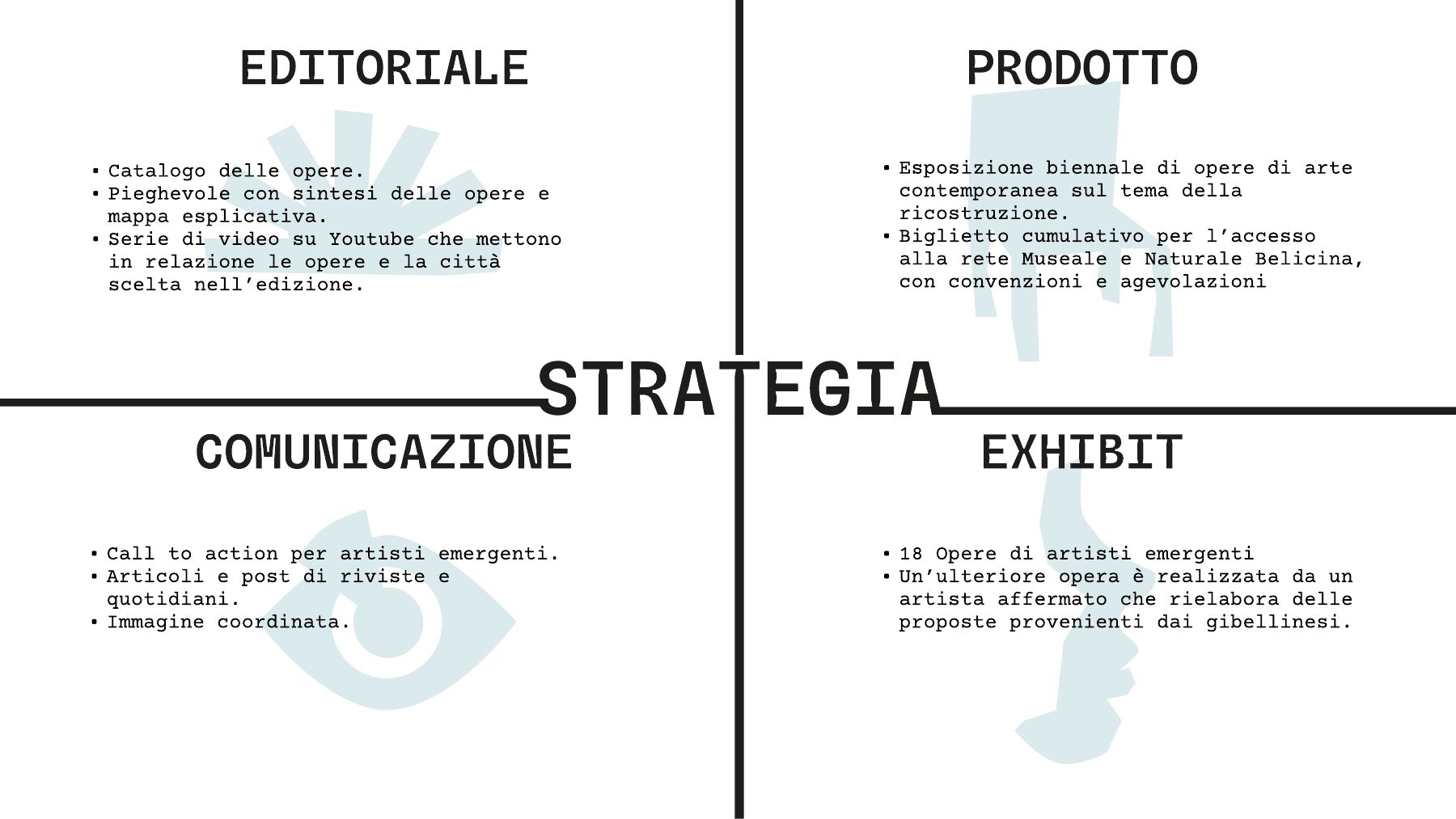
Product, exhibit, communication and editorial.
Product
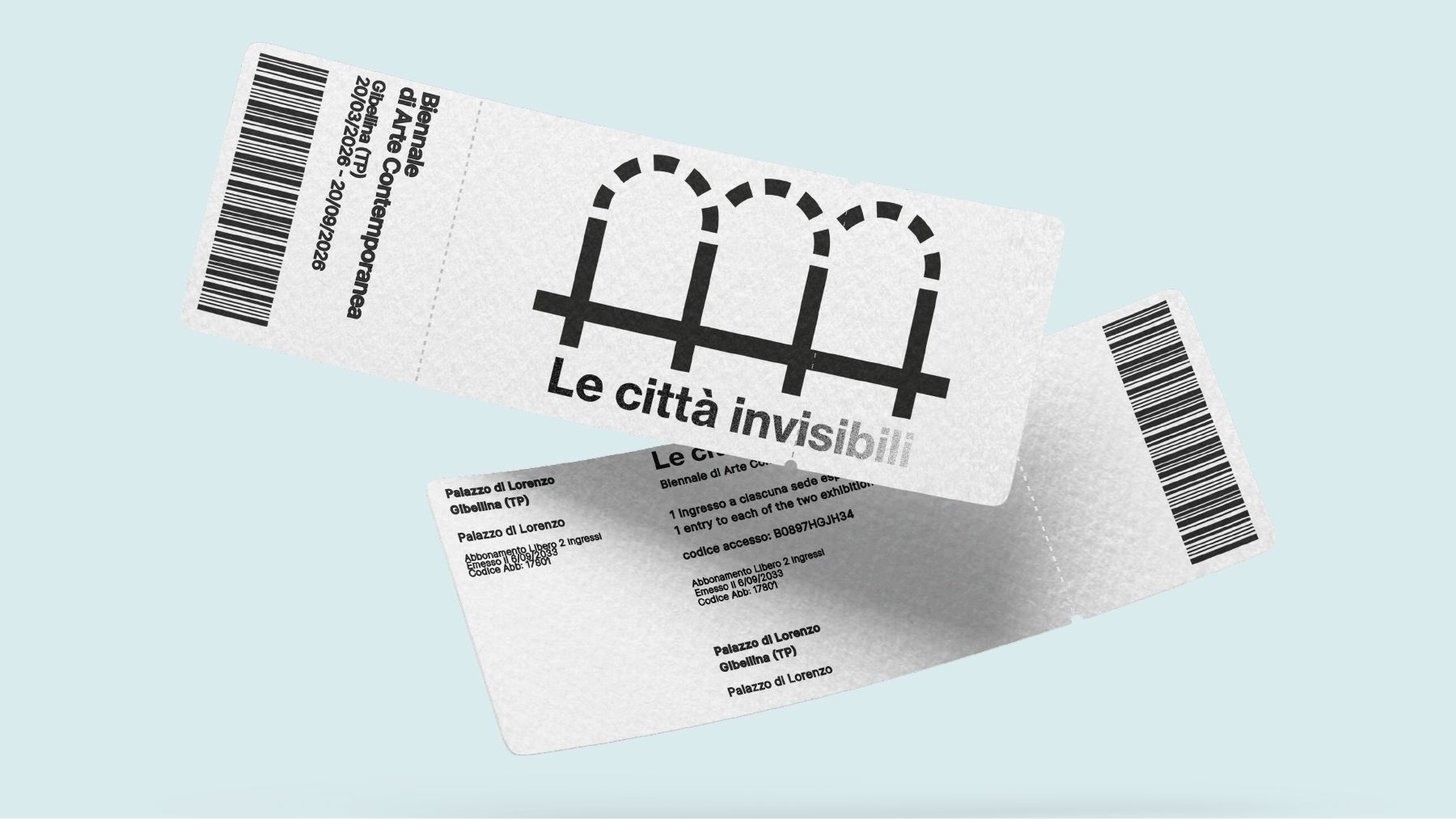
A biennial exhibition of contemporary art on reconstruction, plus a combined ticket for the Belice museum and nature network.
Exhibit
18 works by emerging artists, and one more by an established artist who reworks proposals from the people of Gibellina.
Communication
A call to action for emerging artists, press articles and posts, a coordinated visual identity.
Editorial
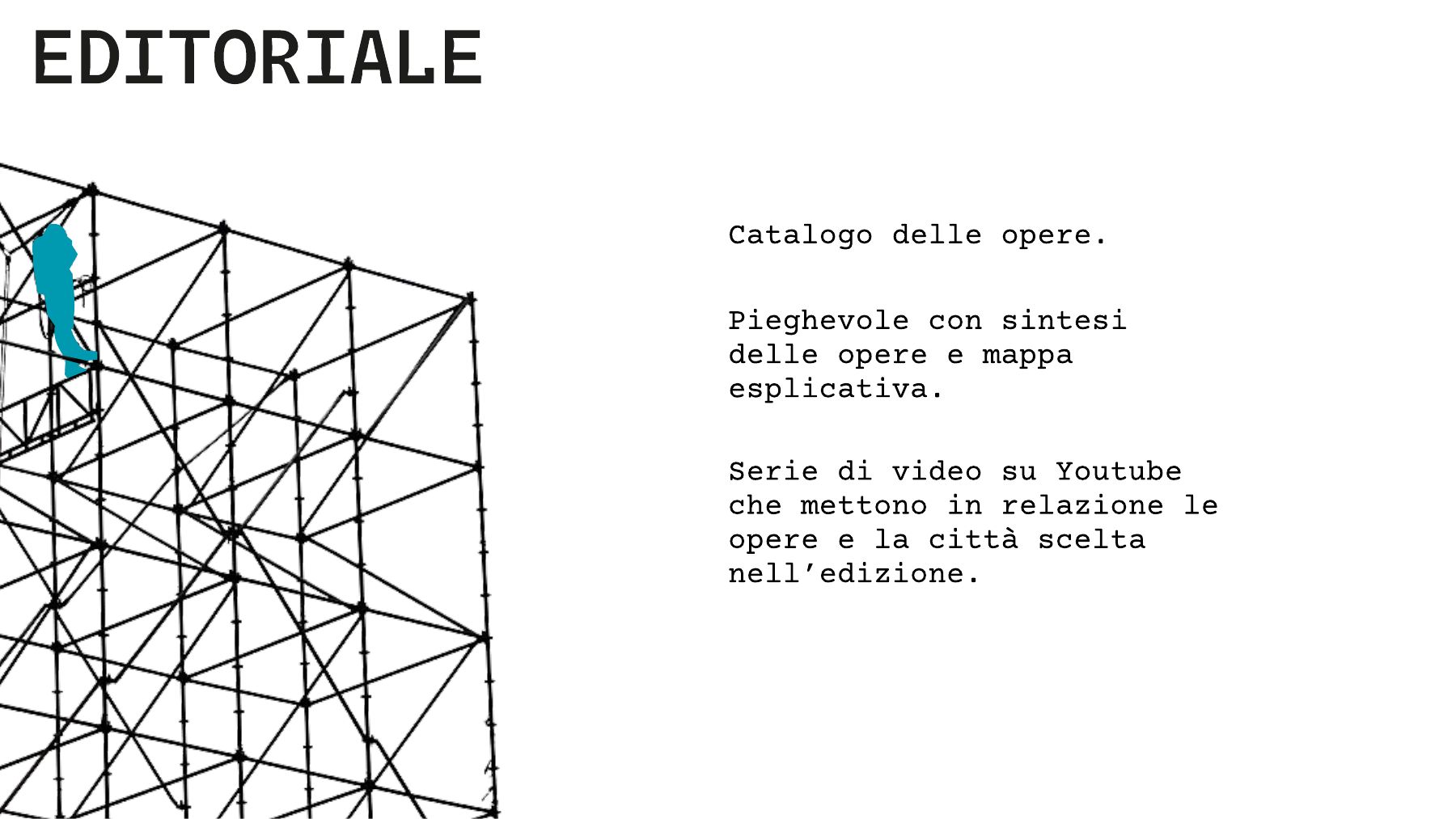
A catalogue, a folding map that summarises the works, and a YouTube series linking the works to the chosen city.
2
The exhibitionPlaces & identity
2.1Structure
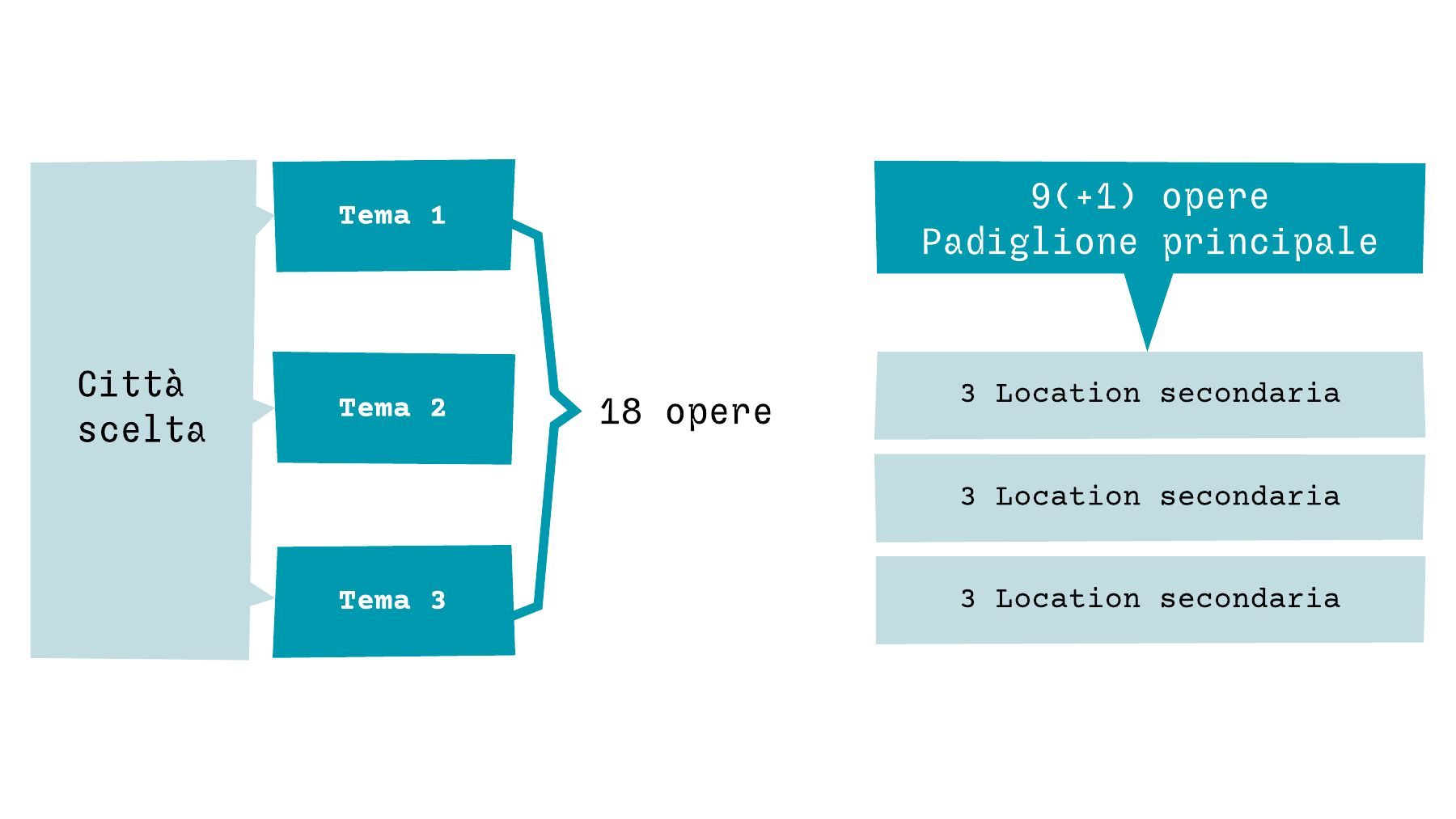
One city, three themes, 18 (+1) works.
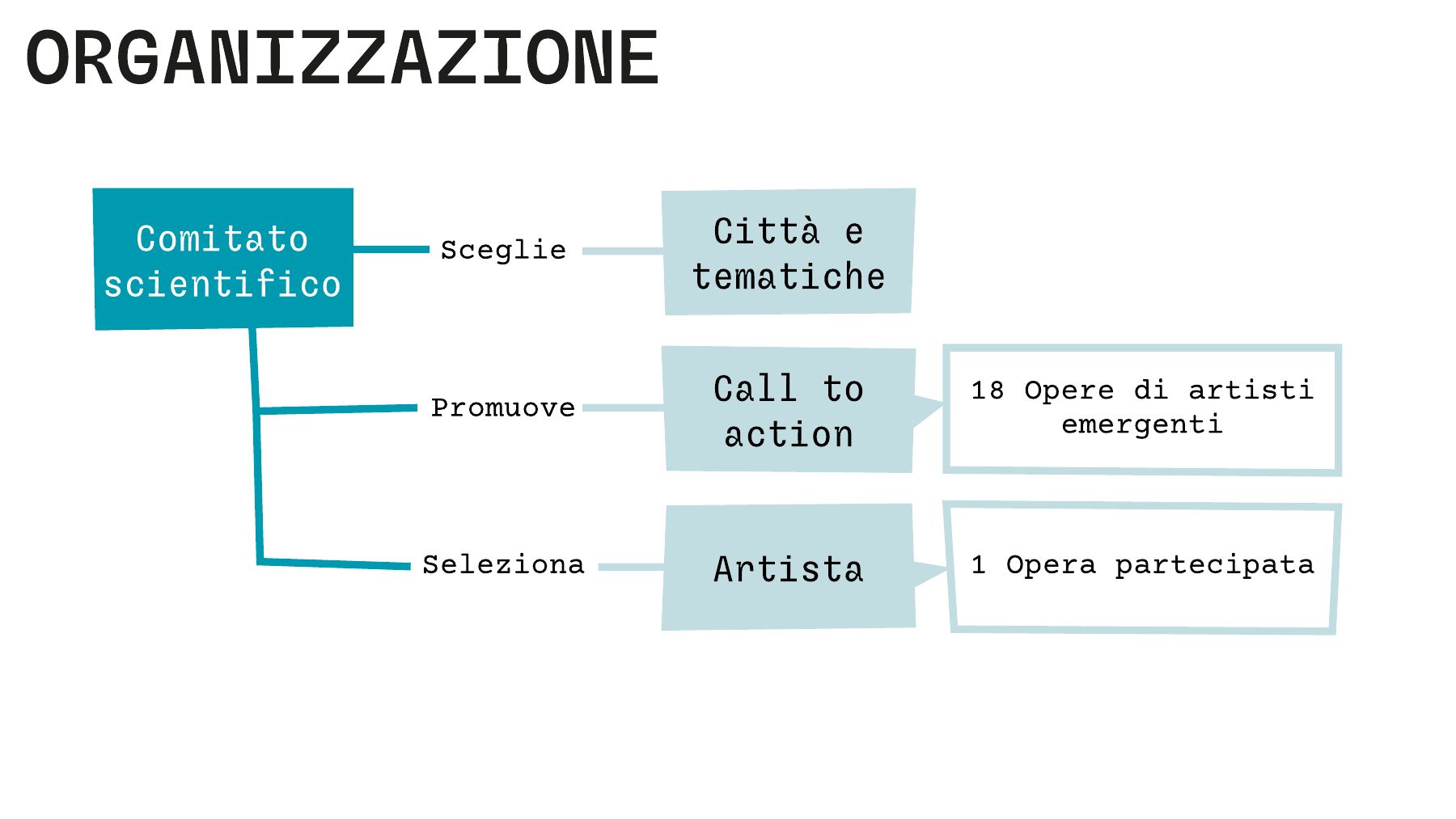
A scientific committee chooses the city and the themes of each edition, promotes the call to action that selects 18 works by emerging artists, and selects the artist of the participatory work. Nine works — plus the participatory one — are shown in the main pavilion; three secondary locations host three works each, one per theme.
2.2Places
Palazzo di Lorenzo and three museums.
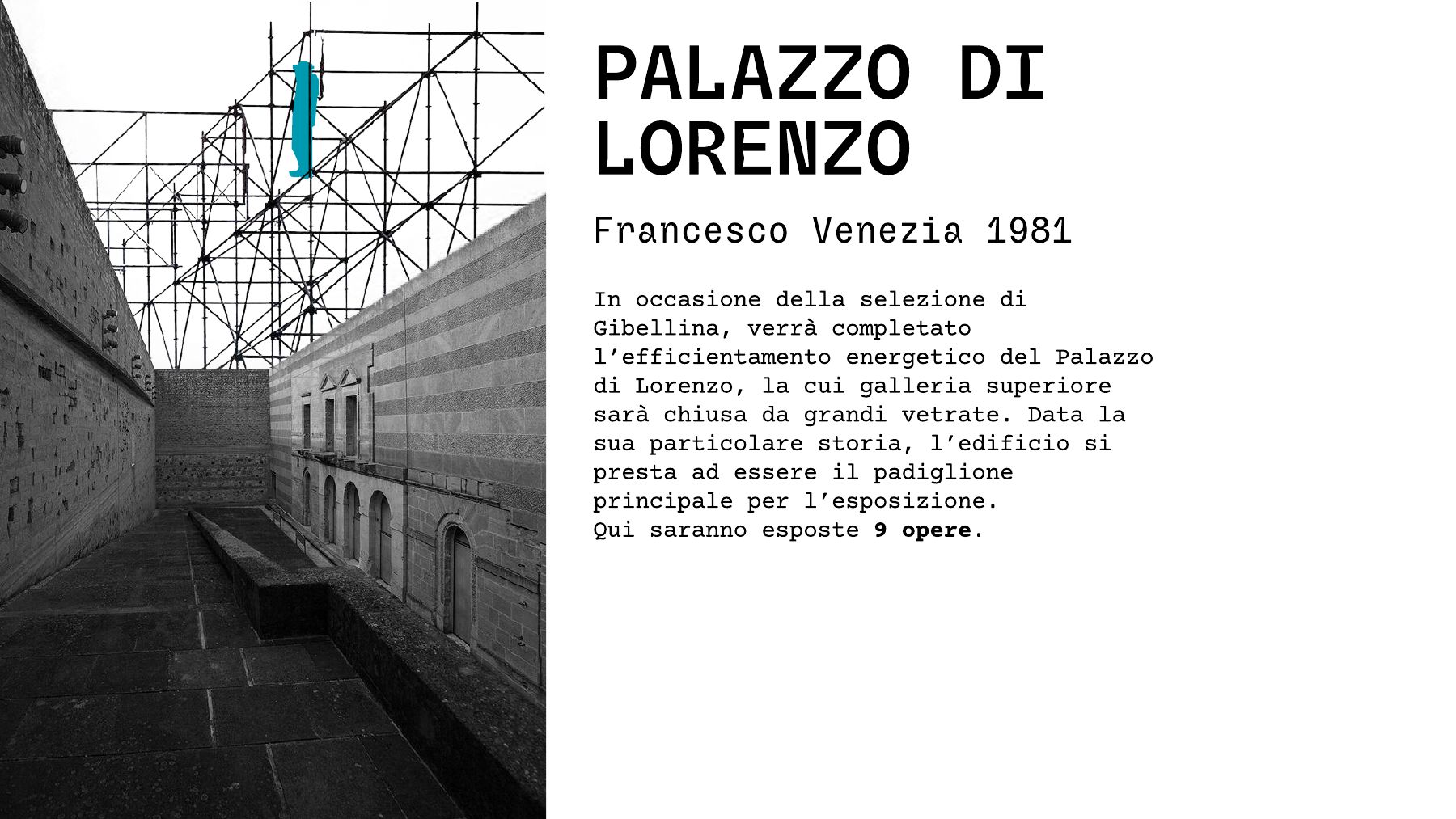
The main pavilion is Palazzo di Lorenzo by Francesco Venezia (1981). For the first edition its energy retrofit would be completed and the upper gallery closed by large glass walls; given its history, the building suits the role of main venue and hosts nine works.
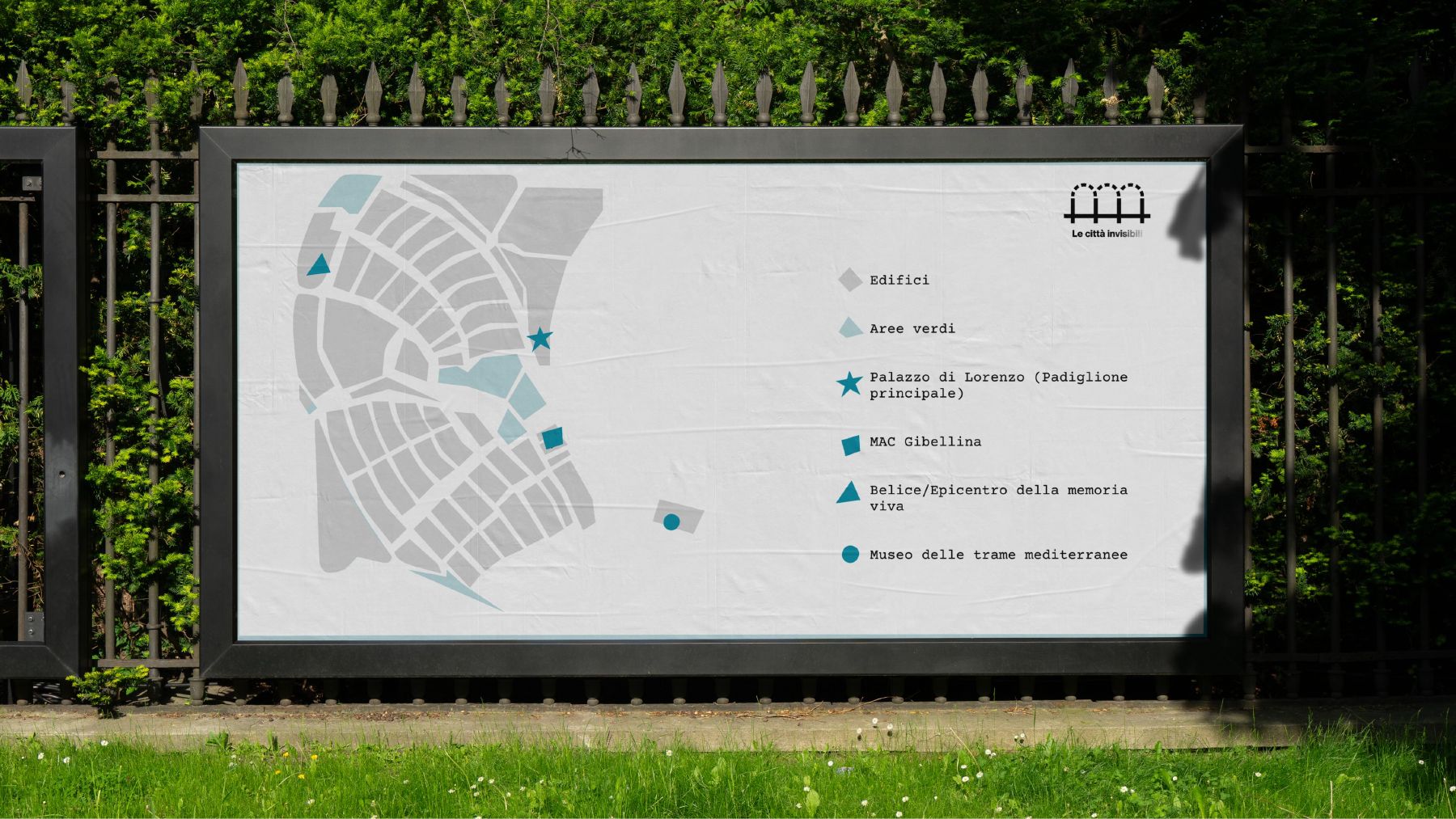
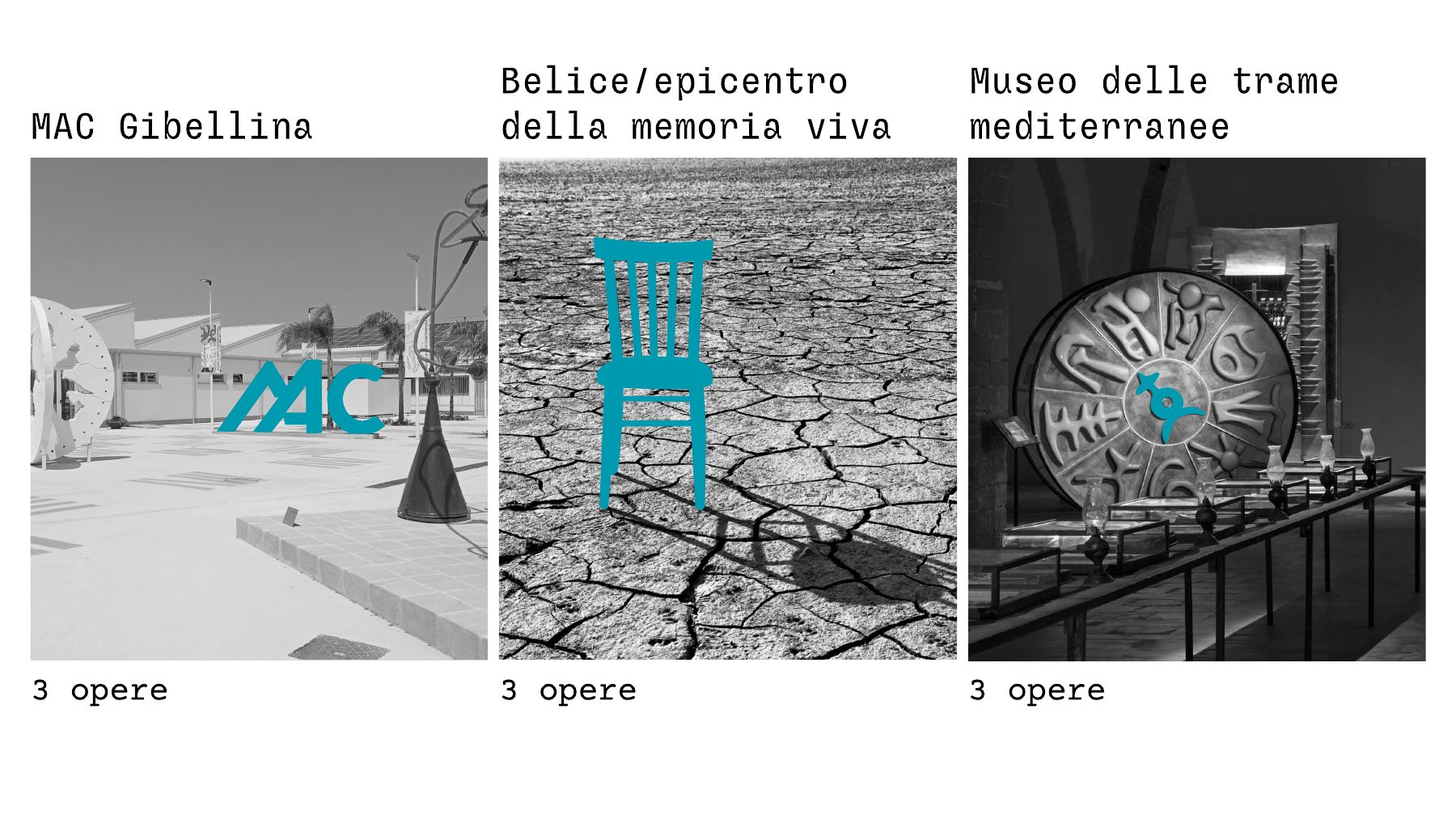
Three secondary locations host three works each: MAC Gibellina, Belice / Epicentro della memoria viva and the Museo delle trame mediterranee.
2.3Identity & editorial
What is missing, drawn with a dashed line.
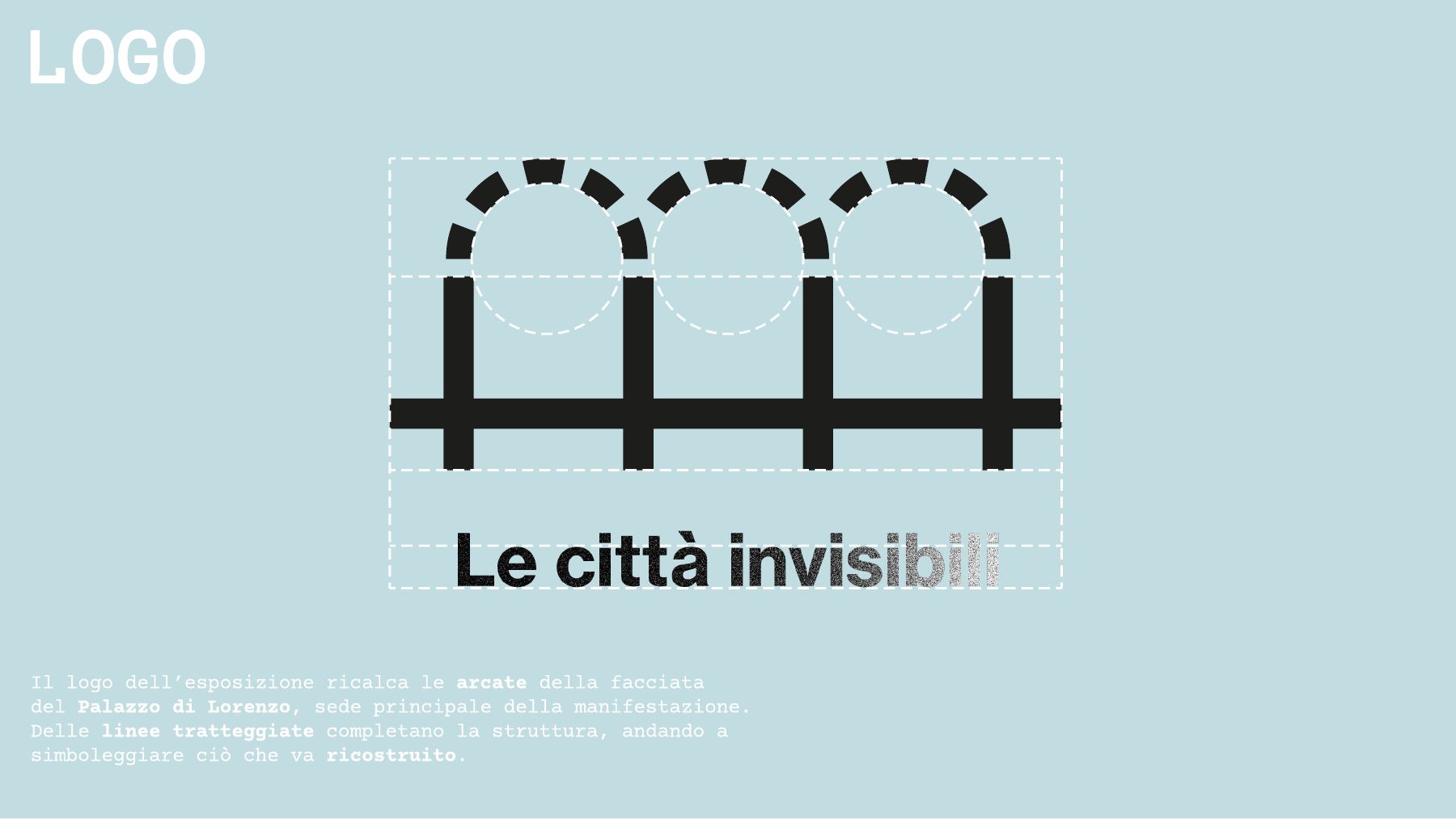
The logo traces the arches of the façade of Palazzo di Lorenzo, the main venue. Dashed lines complete the structure, symbolising what still has to be rebuilt.
3
First editionGaza
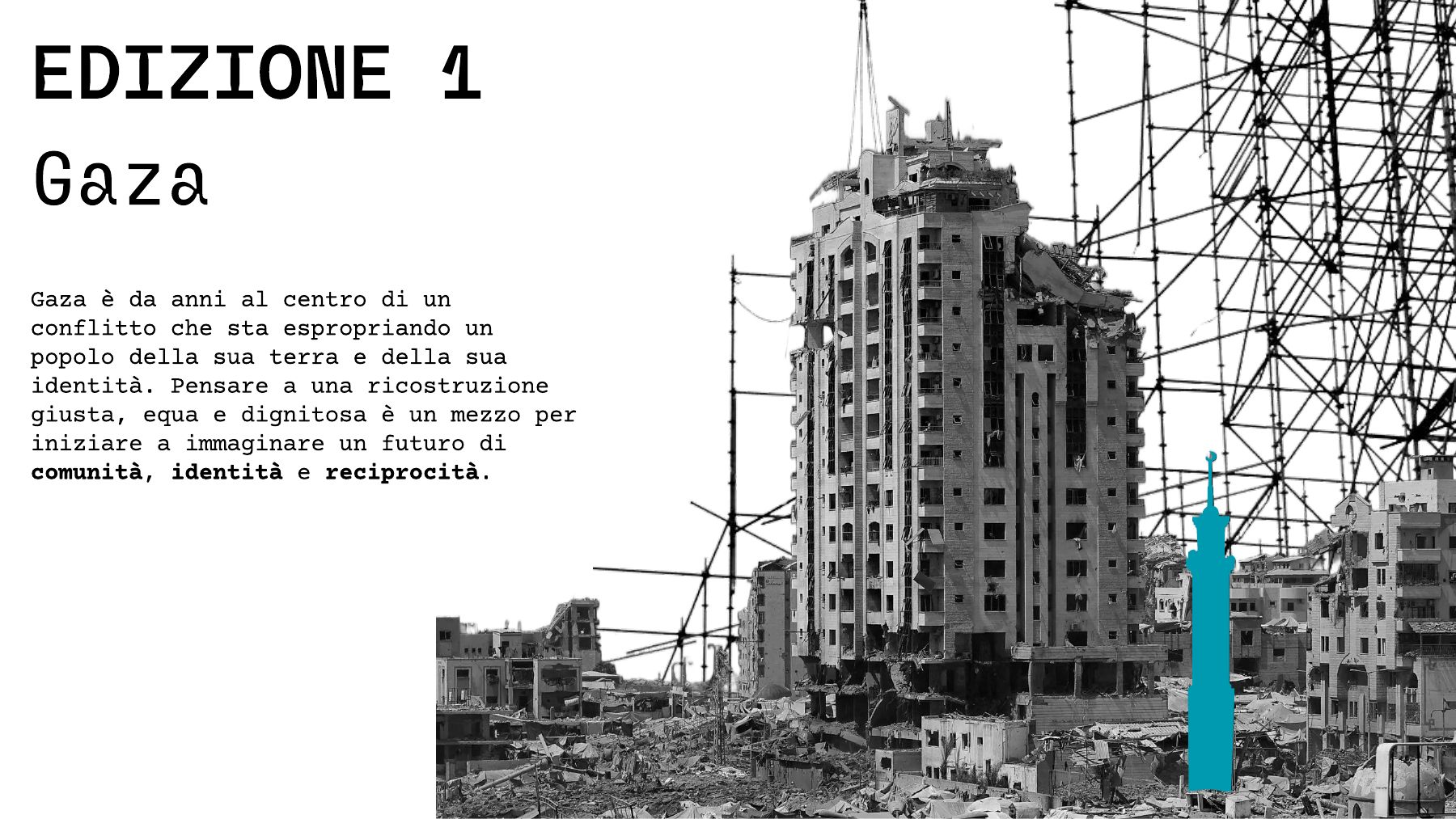
3.1Edition 1: Gaza
Imagining a just reconstruction.
For years Gaza has been at the centre of a conflict that is taking away a people’s land and identity. Thinking of a fair, equitable and dignified reconstruction is a way to start imagining a future of community, identity and reciprocity.
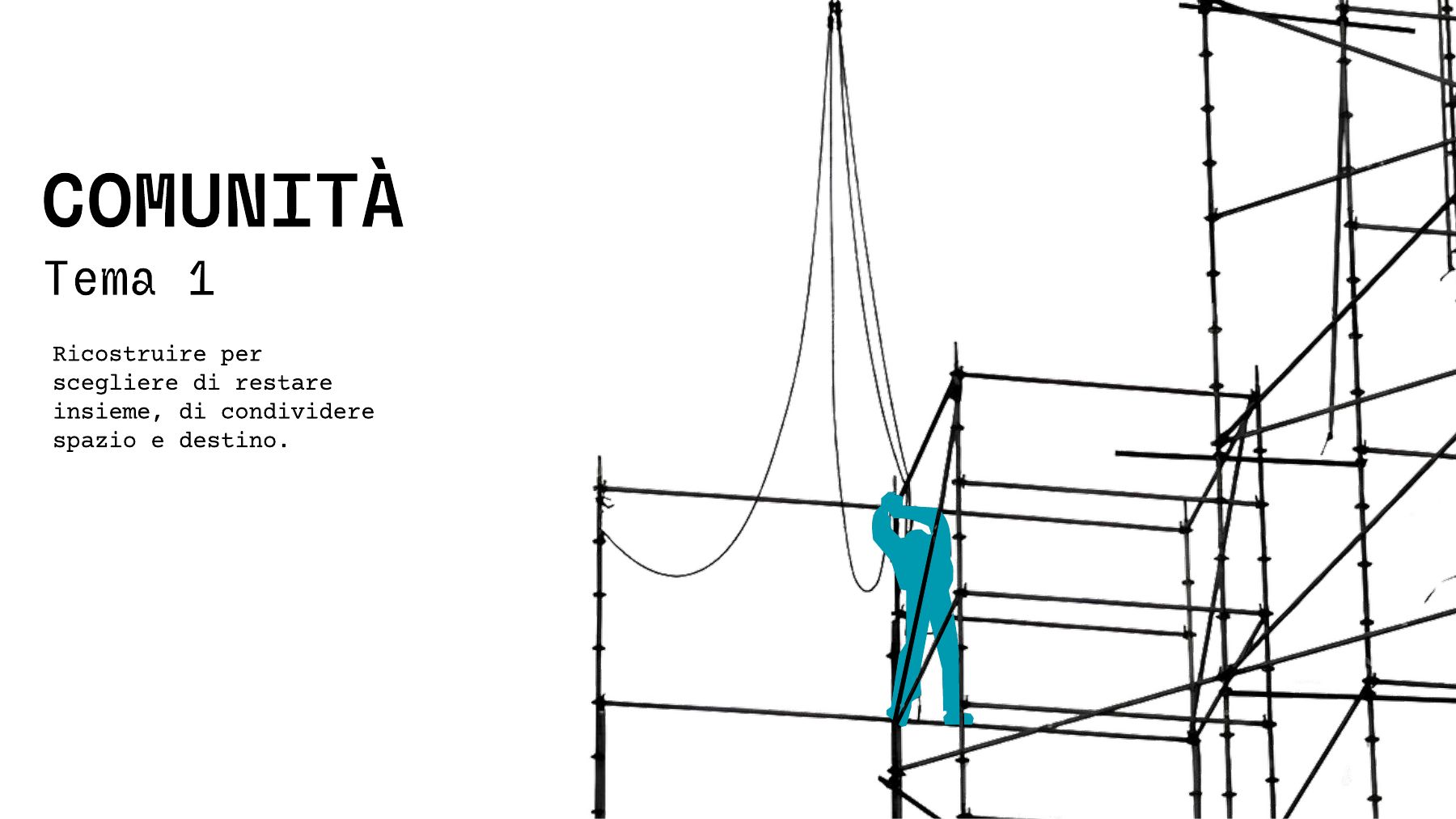
Community
Rebuilding to choose to stay together, to share space and destiny.
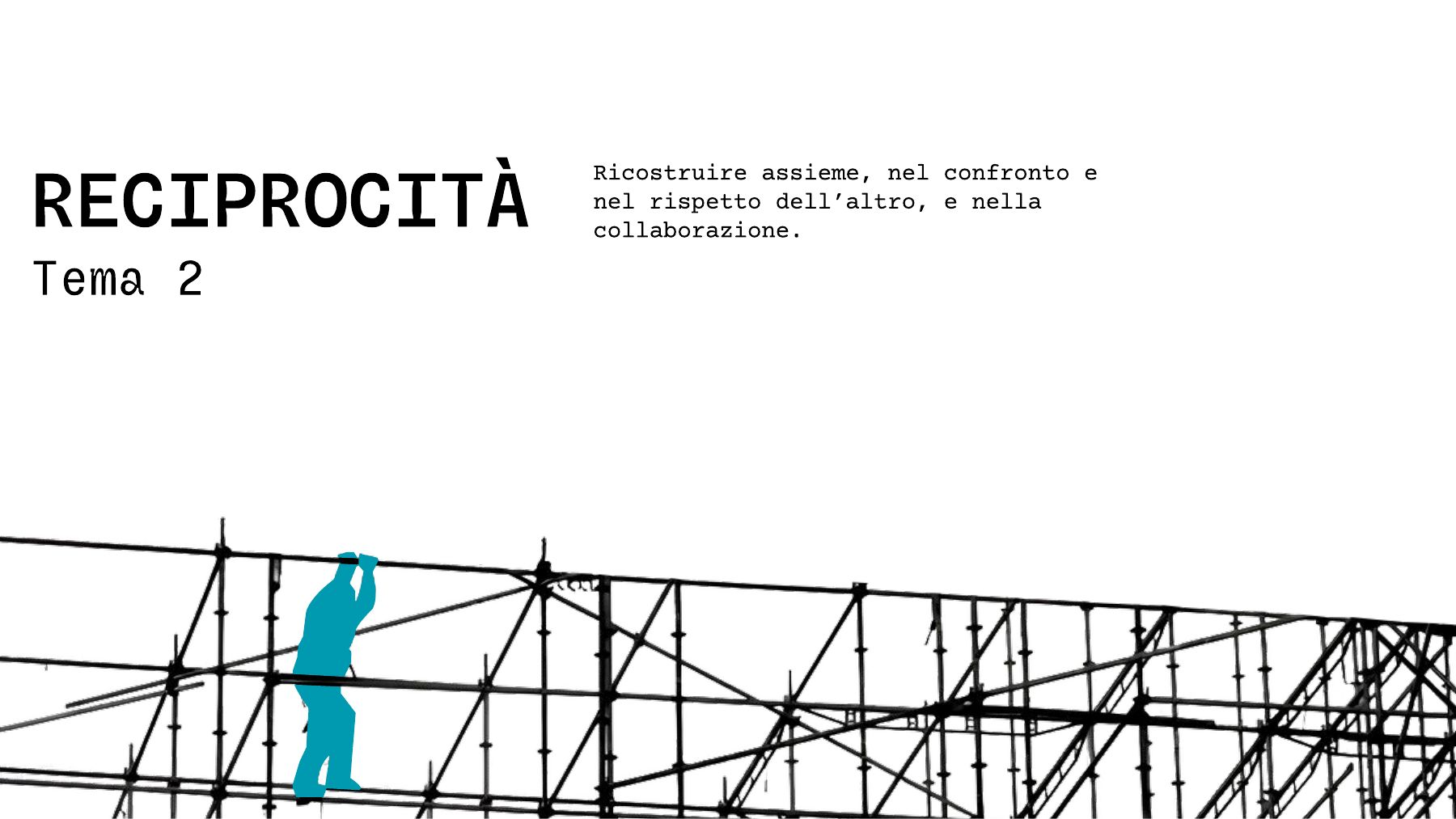
Reciprocity
Rebuilding together, through dialogue, respect for the other and collaboration.
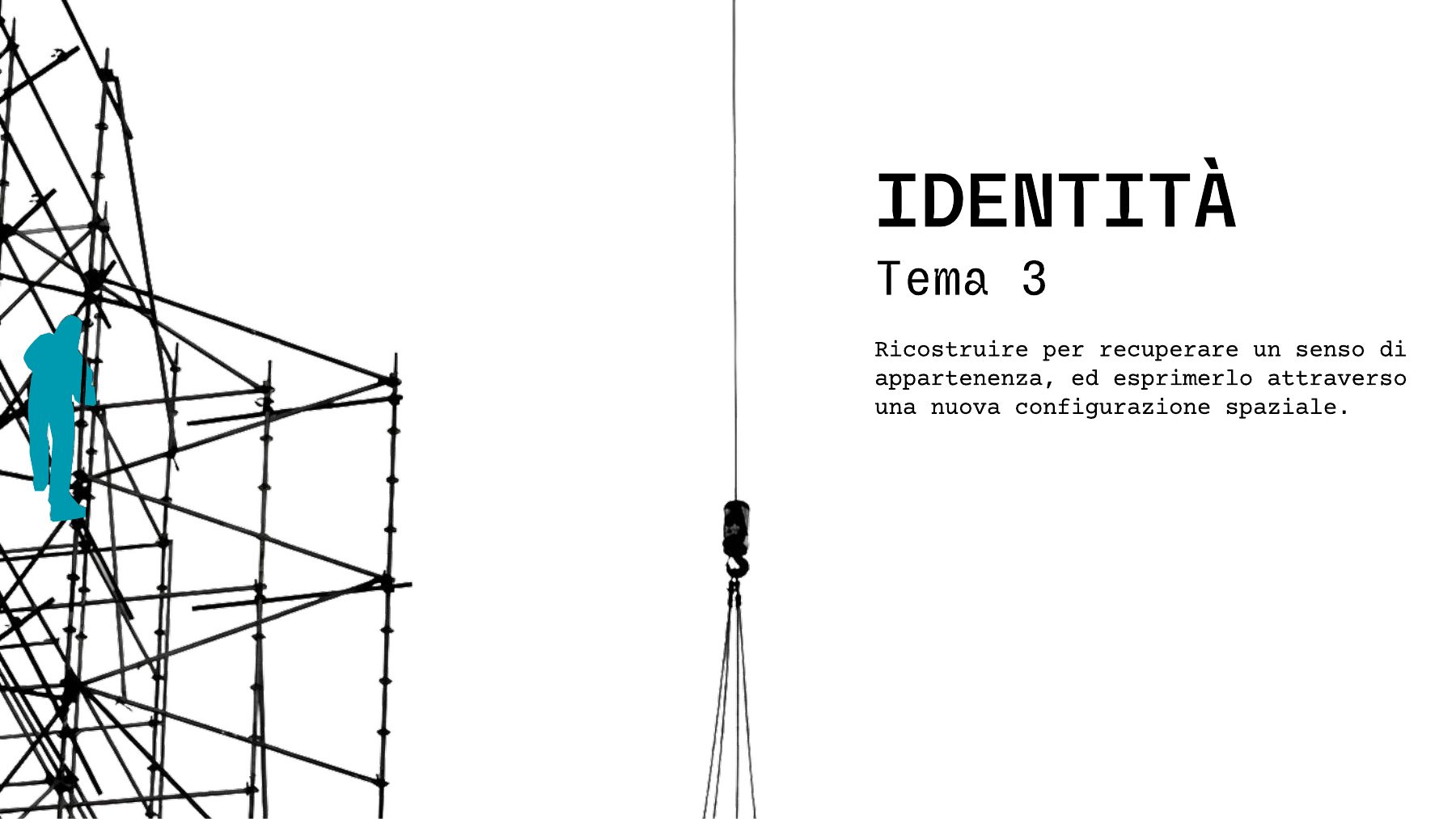
Identity
Rebuilding to recover a sense of belonging and express it in a new spatial configuration.
3.2The participatory work
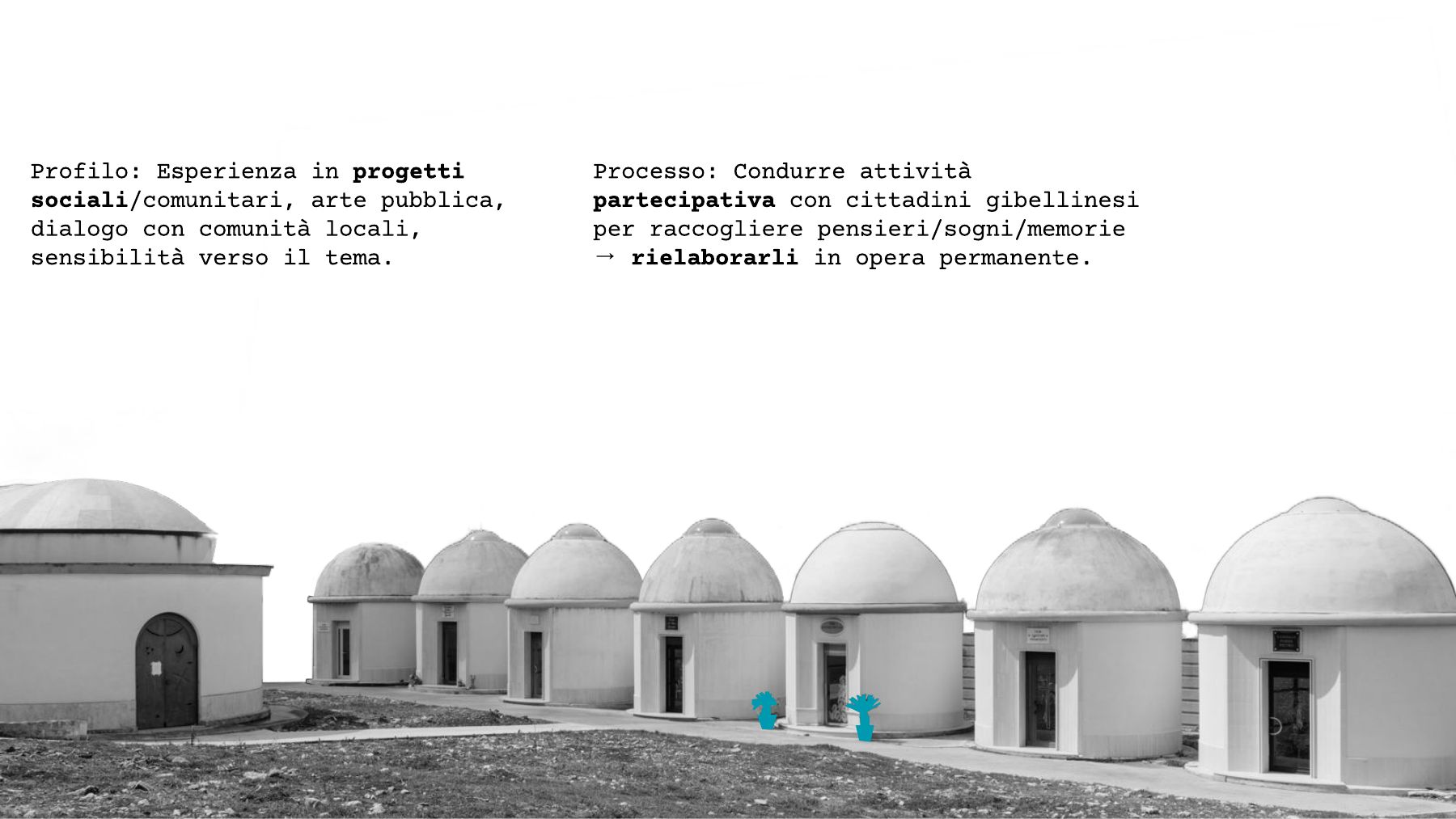
Memories and dreams of Gibellina, turned into a permanent work.
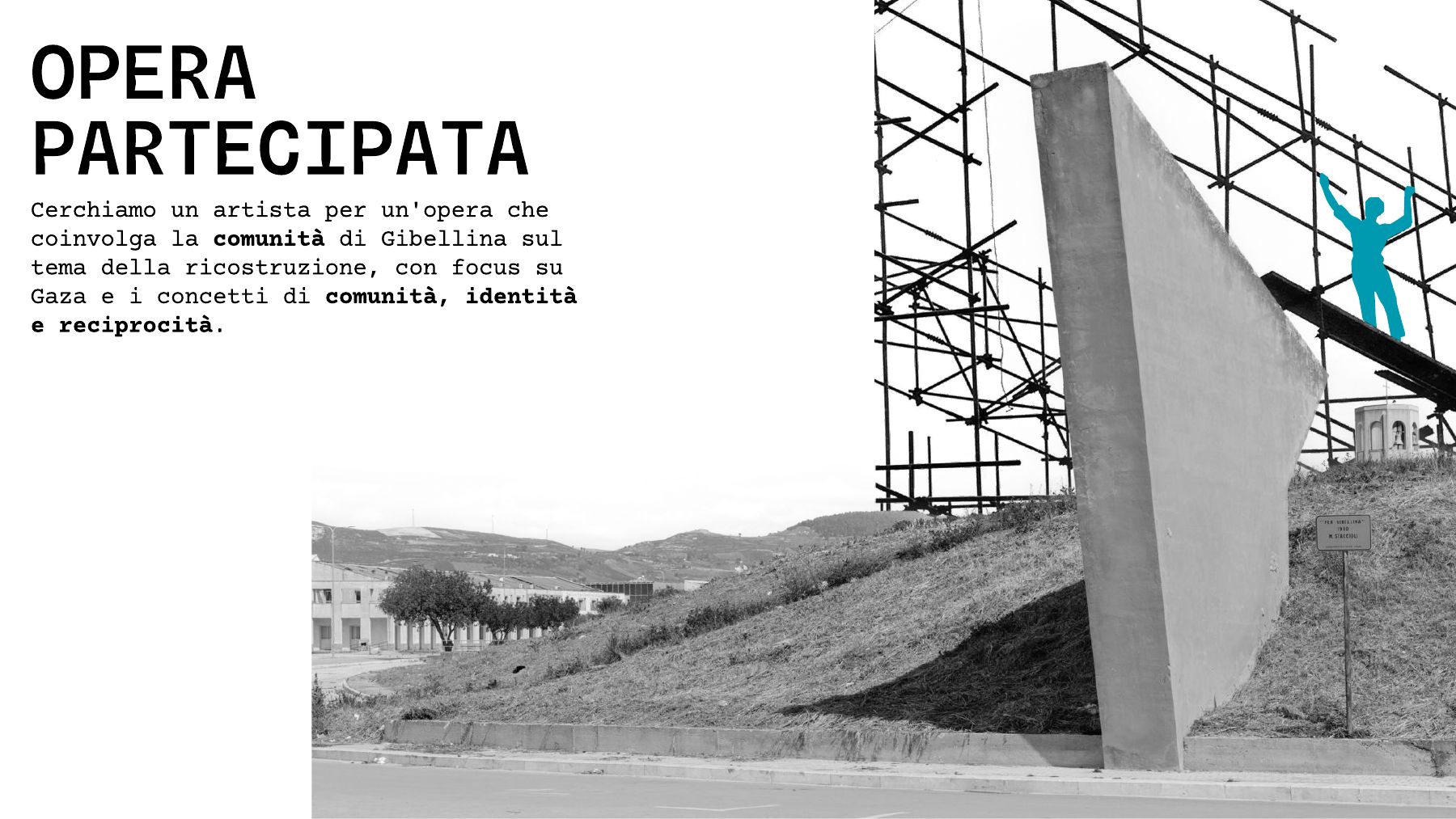
An artist is invited to create a work that involves the community of Gibellina on the theme of reconstruction, focusing on Gaza and on community, identity and reciprocity.
4
NetworkPartners & budget
4.1Museum & nature network
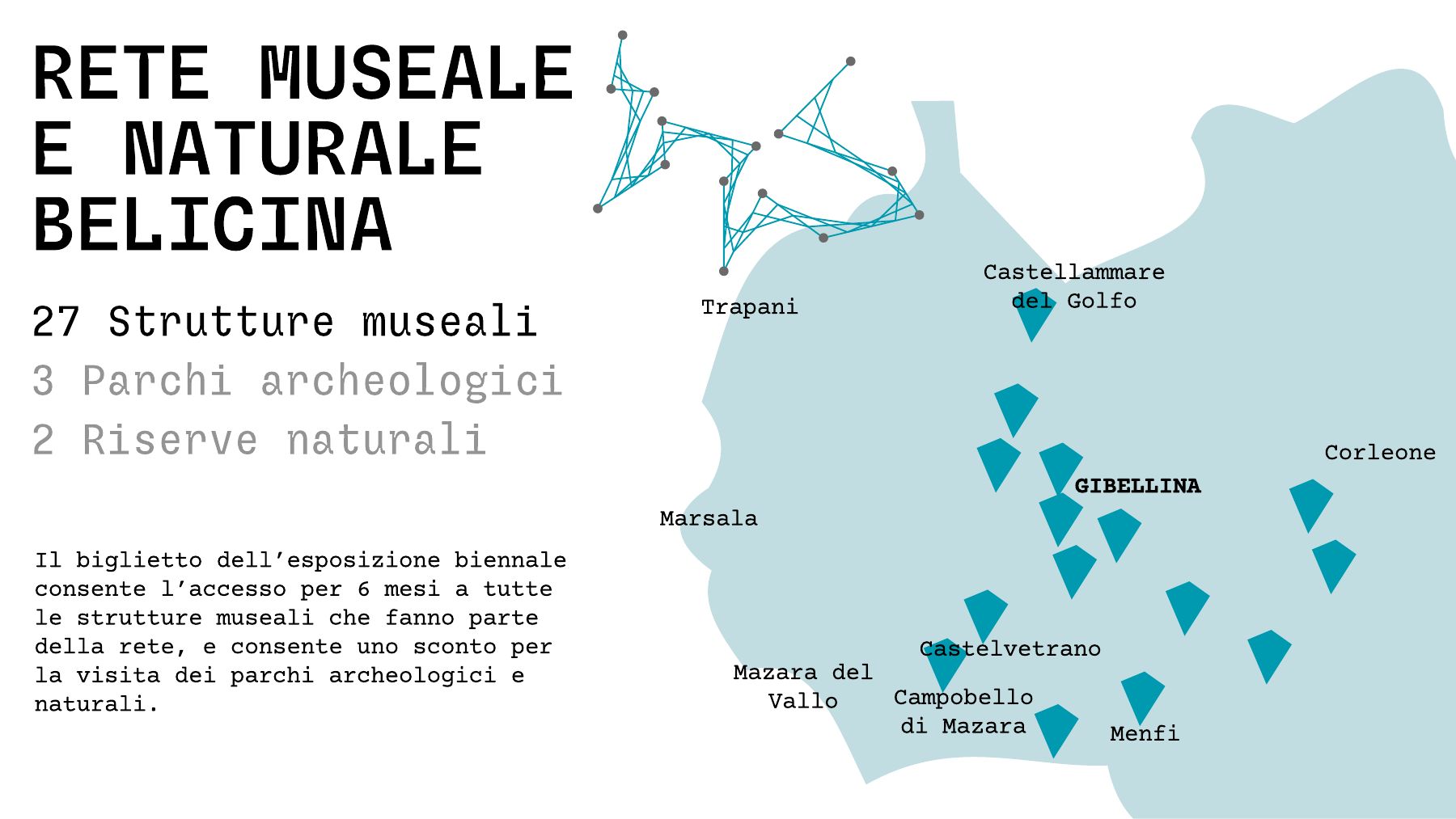
One ticket for the whole Belice area.
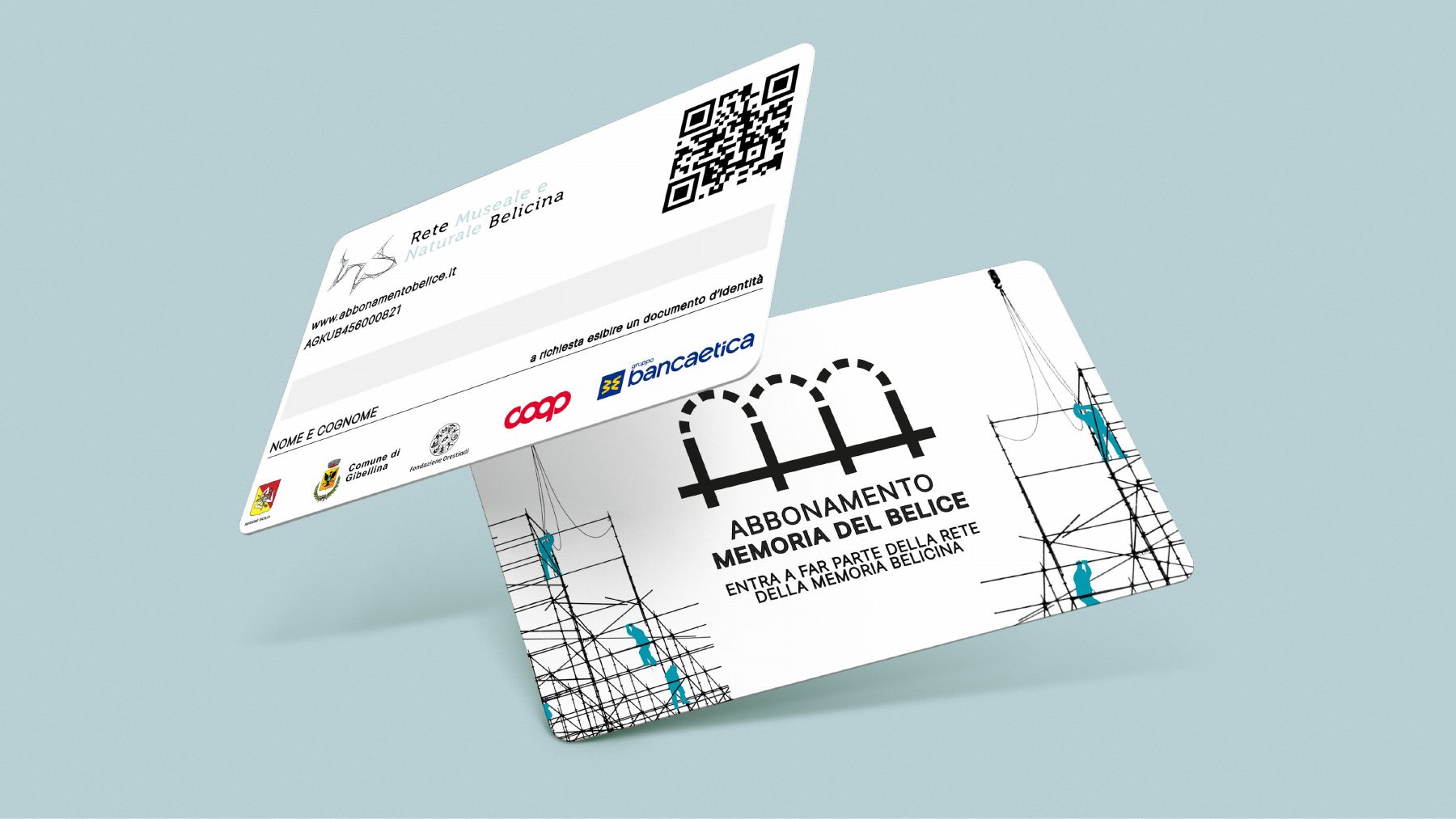
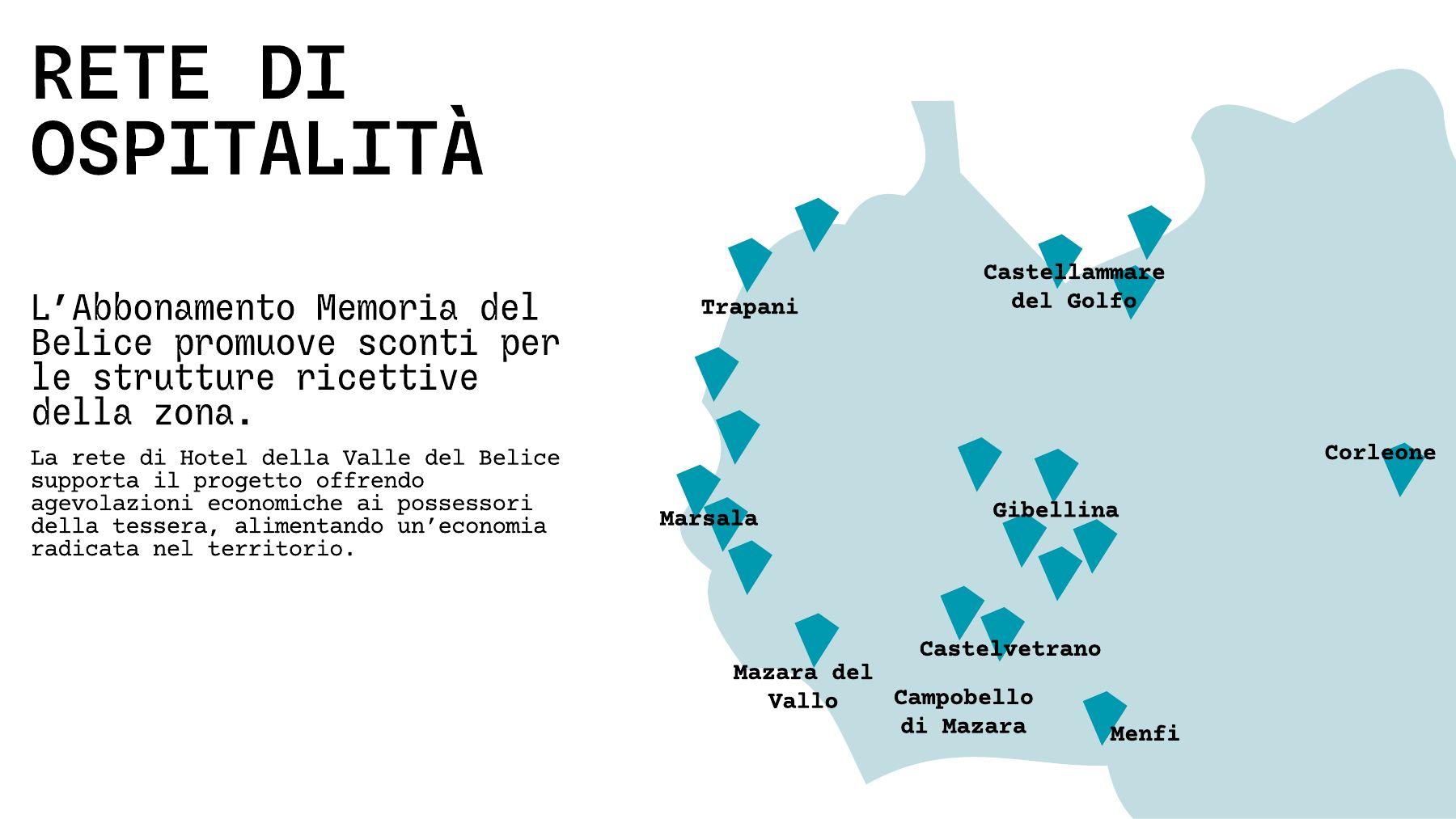
The biennial is embedded in a dense network of local museums. The exhibition ticket gives six months of access to every museum in the network and a discount on archaeological and nature parks. The Abbonamento Memoria del Belice also brings discounts in hotels across the valley — feeding an economy rooted in the territory — and at the Acqua Pia thermal baths, the main hospitality partner.
4.2Sponsors
Partners with a social commitment.
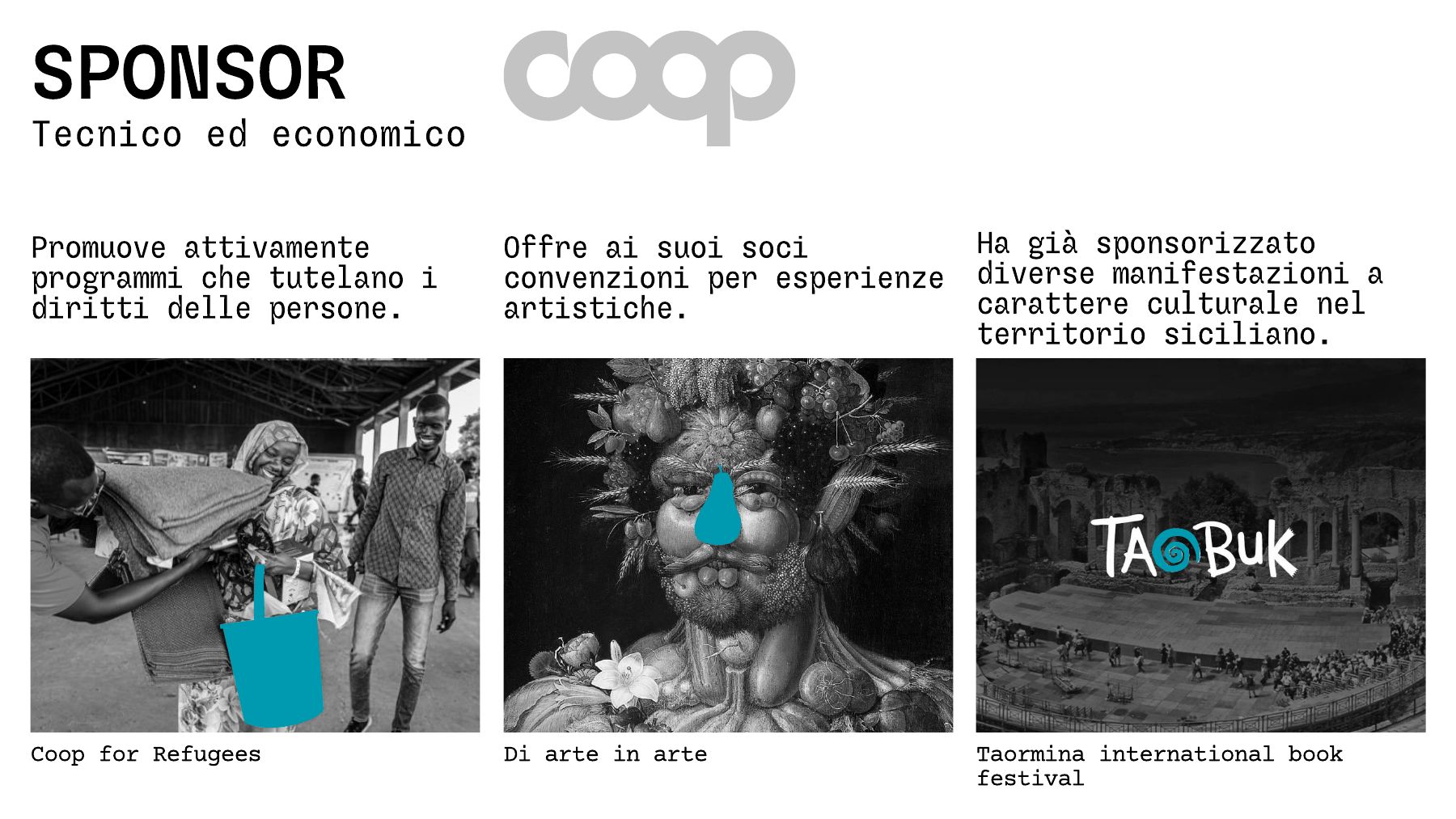
Coop
Actively supports programmes that protect people’s rights, offers its members discounts on art experiences and has already sponsored cultural events in Sicily.
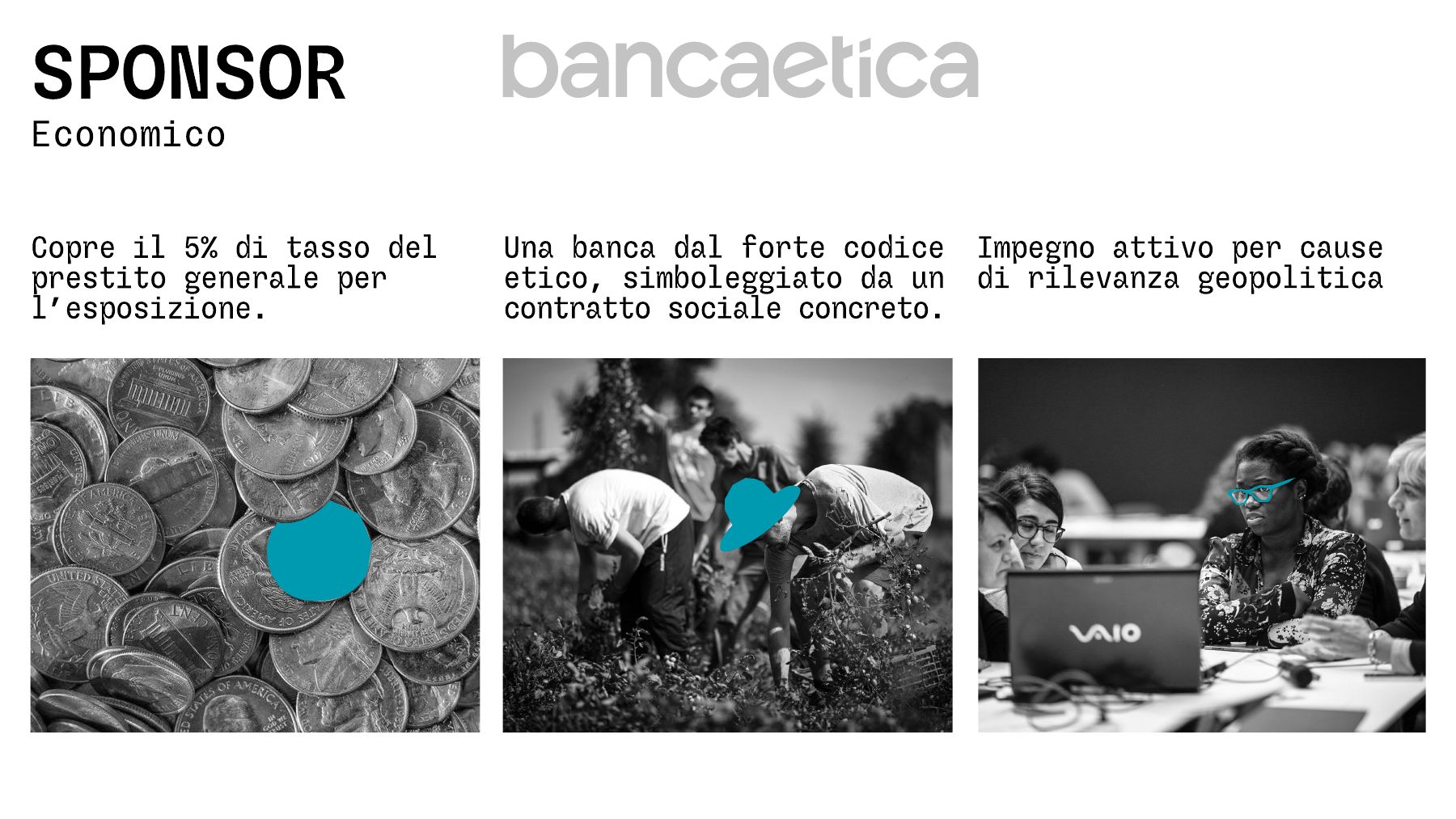
Banca Etica
Covers 5% of the interest on the exhibition’s main loan: a bank with a strong ethical code and an active commitment to geopolitical causes.
4.3Business plan
A balanced first edition.
Costs
- General organisation — €181,000
- Exhibition area — €100,000
- Presentation event — €59,000
- Catalogue and maps — €46,000
- Communication — €26,000
- Video — €16,000
- Total — €428,000
Income
- Tickets — €235,000
- Sponsors — €85,000
- Catalogue sales — €75,000
- Guided tours — €40,000
- Total — €435,000
pigment(o)
Revived colours, Rotterdam